

Box truck insurance typically costs $230 to $950 a month, or about $2,800 to $11,400 a year, for an owner-operator with some experience and a clean record. A 16-foot truck on local routes sits at the low end. A 26-foot truck running regional freight sits at the high end, and new ventures in big metro areas can pay $1,500 a month or more.
The two things that move a box truck quote most are the truck’s size and how far it runs. This guide covers average box truck insurance costs, what coverage you need for commercial and non-commercial use, and the most reliable ways to get cheaper box truck insurance without losing contracts.
Get Your Free Estimate
Average Box Truck Insurance Cost
| Truck And Operation | Typical Monthly Cost | Typical Annual Cost |
|---|---|---|
| 16-foot, local delivery, experienced owner-operator | $250–$600 | $3,000–$7,200 |
| 26-foot, regional delivery, experienced owner-operator | $550–$1,100 | $6,600–$13,200 |
| 26-foot reefer or food delivery | $700–$1,400 | $8,400–$16,800 |
| 26-foot new venture, large metro area | $1,500–$2,600 | $18,000–$31,200 |
Ranges are based on 2026 box truck insurance rate studies. They’re planning figures, not quotes. Your rate depends on your record, location, radius and the freight you carry.
Owner-operators weighing a box truck against a pickup and flatbed should compare hot shot insurance cost too. The two price very differently. If you’re considering a smaller vehicle, see cargo van insurance.
What Box Truck Insurance Covers
| Coverage | What It Pays For | Who Requires It |
|---|---|---|
| Commercial auto liability | Injuries and damage you cause to others | State law; FMCSA for interstate for-hire |
| Motor truck cargo | Freight damaged or lost in your truck | Brokers, shippers and delivery networks, often $100,000 |
| Physical damage | Repairs or replacement of your own truck | Your lender or lessor |
| General liability | Non-driving claims, such as damage at a customer’s dock or home | Many shippers and facilities |
| Workers’ compensation | Injuries to helpers and drivers you employ | Most states, once you have employees |
Box truck operators who run long routes can also add roadside coverage. See our guide to roadside assistance for commercial vehicles.
Commercial Vs Non-Commercial Box Truck Insurance
If you use a box truck to haul goods for pay, deliver for a business, or move freight under your own authority, you need commercial auto insurance. Personal auto policies typically exclude trucks used for business, and most won’t cover a 26-foot box truck at all.
Non-commercial use is narrower than most people think. Renting a moving truck for your own household move is usually covered through the rental company’s protection plans, not your own policy. If you own a box truck for personal use only, such as hauling your own equipment for a hobby, ask an agent whether a personal policy will write it. Many won’t once the truck is over a certain weight.
Box Truck Insurance Requirements

- Interstate for-hire, over 10,001 pounds: at least $750,000 in liability for general freight, filed with the FMCSA, plus a USDOT number and operating authority. See FMCSA minimum insurance requirements.
- Intrastate only: your state’s minimums apply, and they vary.
- Delivery networks and contracts: often require $1,000,000 in liability and $100,000 in cargo. Amazon Relay, for example, lists $1,000,000 auto liability and $100,000 cargo among its carrier requirements. See Amazon Relay insurance requirements.
Does A Box Truck Need A CDL?
Most 26-foot box trucks are rated just under 26,001 pounds, so they don’t require a CDL. Trucks rated at 26,001 pounds or more do, and they’re insured as medium or heavy trucks.
What Affects Box Truck Insurance Rates
- Size and weight. A 26-foot truck costs more to insure than a 16-foot truck because it causes more damage in a crash.
- Radius. Staying local is one of the easiest ways to keep rates down.
- Location. Dense metro areas with heavy traffic and high claim costs price highest.
- What you haul. Refrigerated food, furniture and electronics cost more than general boxed freight.
- Years in business. New ventures pay the most. Rates usually ease after a clean first policy term.
- Driving history. Your MVR and the records of anyone else who drives the truck.
How To Get Cheap Box Truck Insurance
The cheapest box truck insurance is rarely the lowest quote. It’s the lowest price on a policy that still meets your contracts. These are the changes that actually lower the bill:
- Choose the smallest truck that fits your freight. A 16-foot truck can cost half as much to insure as a 26-foot truck.
- Keep your radius tight while you build a record, and tell your agent accurately.
- Add dash cams and telematics. Many insurers credit them, and footage defends you against claims you didn’t cause.
- Raise your physical damage deductible if you can cover it.
- Pay in full to avoid installment fees.
- Requote at every renewal once you have a clean year. Your rate should drop, and other carriers may now compete for you.
Never cut liability or cargo below what your contracts require. A cheaper policy that costs you the contract isn’t cheaper.
Example: 26-Foot Final-Mile New Venture
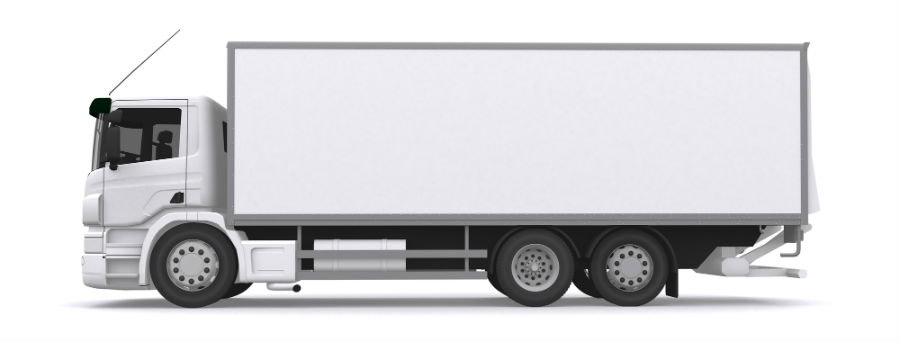
A new box truck authority running final-mile delivery out of a large metro area, with $1,000,000 liability and $100,000 cargo, can see quotes of $1,500 to $2,600 a month in its first year. The same truck run by an experienced owner-operator in a smaller market often prices under $1,100 a month. Most of that gap comes from authority age and location.
Box Truck Frequently Asked Questions
How Much Is Box Truck Insurance?
Most experienced box truck owner-operators pay about $230 to $950 a month. A 16-foot local truck is at the low end, a 26-foot regional truck is at the high end, and new ventures in large cities can pay $1,500 or more.
What’s The Cheapest Way To Insure A Box Truck?
Run the smallest truck that fits your freight, keep a short radius, raise your physical damage deductible, pay in full, and requote after your first clean year.
Do Box Trucks Need Commercial Insurance?
Yes, if you use the truck for business or haul for pay. Personal auto policies typically exclude business use and often won’t cover a large box truck at all.
Does A 26-Foot Box Truck Need DOT Authority?
If you haul for hire across state lines in a truck over 10,001 pounds, you need a USDOT number and operating authority, with at least $750,000 in liability filed with the FMCSA.
Is Box Truck Insurance Cheaper Than Semi Truck Insurance?
Usually, yes. Box trucks are lighter and often run shorter routes, so they typically cost less to insure than a semi. See the average cost of semi truck insurance to compare.
Get Box Truck Insurance
Get Your Free Quote Started