
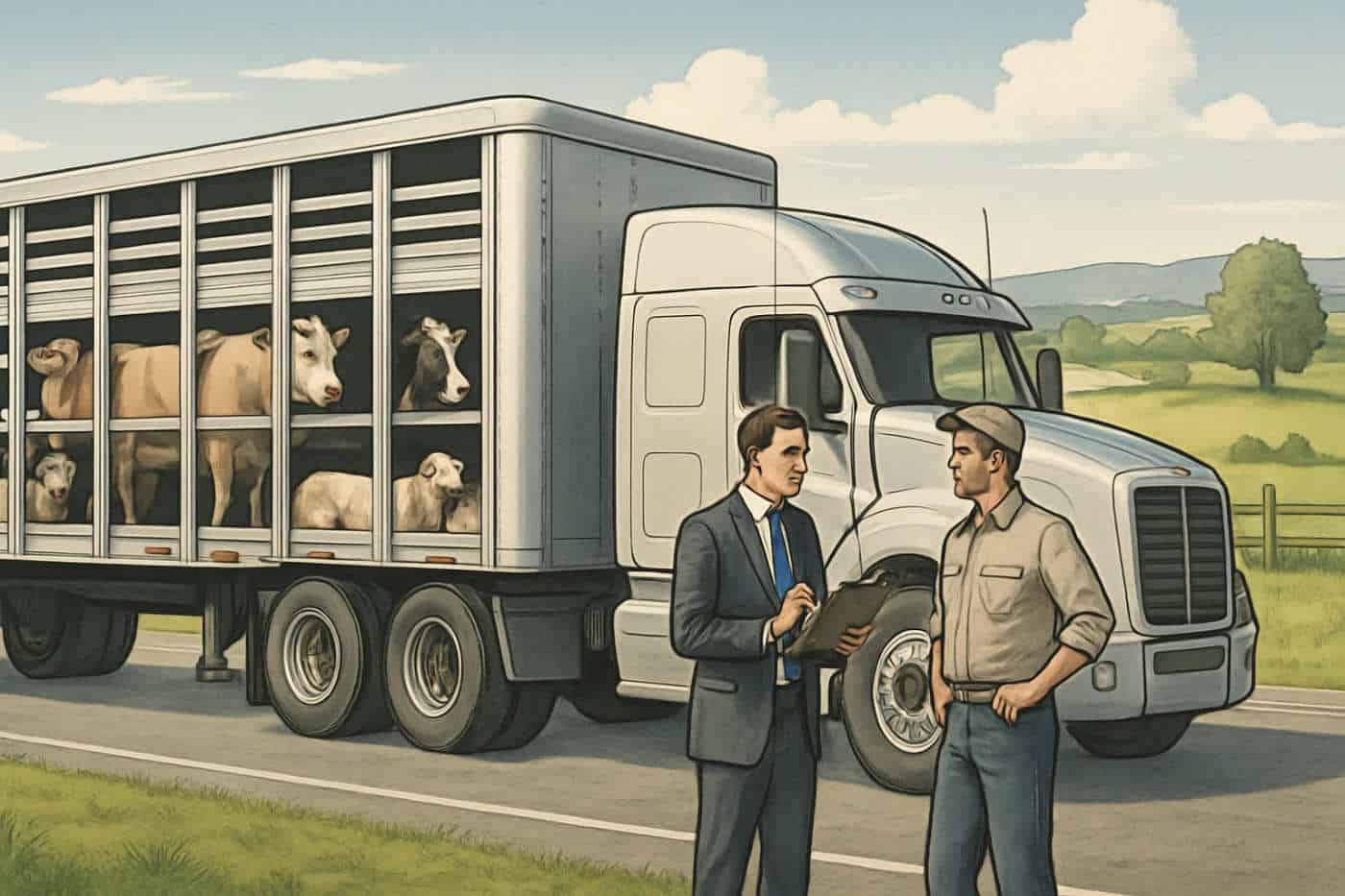
Moving livestock isn’t anything like shipping boxes—it’s a whole different world. Animals can get hurt, fall ill, or even die en route, and if you’re not covered, that’s a financial gut punch.
Livestock hauling insurance is built for businesses moving cattle, pigs, horses, and all sorts of critters, helping shield you from losses if animals die, get injured, escape, or damage property while in transit.
Get Your Free Quote Started

This isn’t your basic trucking insurance. It’s got to handle the curveballs that come with hauling living, breathing cargo—like animals shifting around and making the trailer unstable, spreading disease, or breaking loose and causing mayhem.
Sorting out the right coverage is a must for cattle haulers, both for business survival and to stay on the right side of the law. Specialized livestock transport insurance can be dialed in based on what you’re hauling, how far you’re going, and what your animals are worth. With the right setup, your business and your animals are both looked after, every mile of the way.
- Cattle hauling insurance covers animal death, injury, and escape during transport plus liability and property damage
- Haulers need liability insurance by law and can tailor policies with options like animal mortality and disease protection
- Premiums range from $150 to $1,500 monthly, depending on animal value, coverage, and how often you’re on the road
Definition and Key Features
This isn’t a generic policy. Livestock haulers who move animals like cattle, pigs, horses, or poultry get coverage for financial hits if something happens to their animals on the road.
Some of the core features:
- Animal mortality coverage—pays out if animals die in transit
- Injury protection—for animals that get banged up in accidents or during loading
- Escape coverage—if animals break loose, whether during loading, unloading, or mid-trip
- Third-party liability—if your animals cause harm or property damage to others
You can go broad, covering just about anything, or get super specific and only protect against certain risks. Most livestock transit insurance policies also let you tack on stuff like carcass removal, vehicle substitution, or coverage if a trailer deck collapses.
Doesn’t matter if you own the truck or hire someone else; the policy follows the animals.
Differences Of Livestock Transit Coverage From Standard Motor Truck Cargo Policies
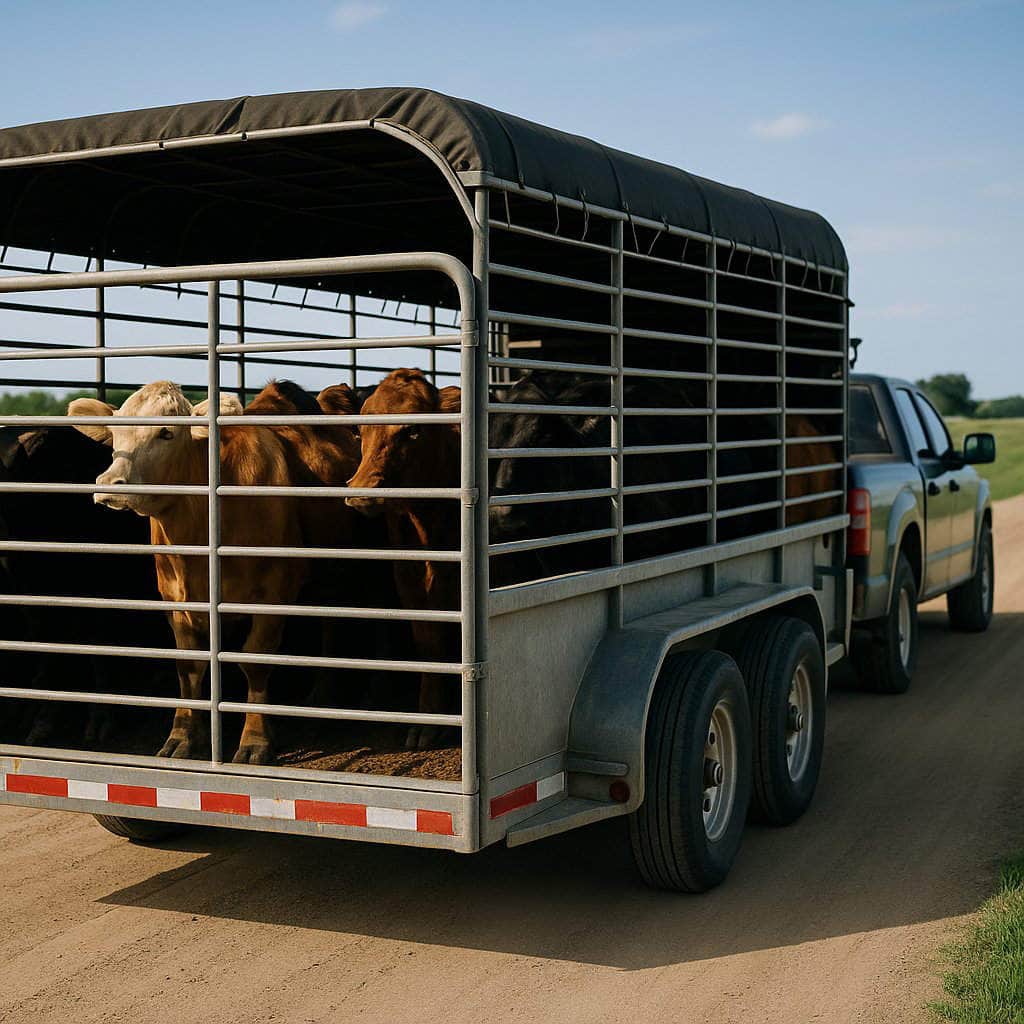
Standard cargo insurance is for dead stuff—machines, produce, manufactured goods. Livestock insurance? That’s for the wild cards.
What makes it different?
- Weight shifting—animals move, changing the balance of your rig
- Health issues—disease, stress, or weather can take animals down fast
- Behavior problems—animals injure themselves or bust out
- Time crunches—if things go south, you’ve got to act fast because animals can deteriorate quickly
Regular cargo just sits there. Livestock needs air, attention, and careful handling. A simple delay that’s a shrug for static freight might be a disaster for live animals.
And when it comes to value, it’s not one-size-fits-all. Breed, age, weight, and the current market all play a part if you have a loss.
Who Needs A Livestock Transportation Insurance Policy?
If you move livestock for a living, this insurance isn’t optional—it’s essential. That goes for owner-operators, fleets, and even farmers hauling their own stock.
Who’s on the hook for coverage?
- Professional livestock haulers—if you’re moving animals for different clients
- Ranchers and farmers—shuffling cattle between pastures, feedlots, or auctions
- Horse haulers—especially with pricey breeding or competition animals
- Poultry folks—moving chicks, layers, or broilers
Plenty of states say you’ve got to carry liability, and if you’re crossing state lines, federal rules kick in, too. USDA registration is a must for some. Clients, auction houses, and feedlots often demand proof of insurance and certain coverage limits before they’ll work with you.
Types of Livestock Insurance Coverage
There’s a menu of protections under livestock hauling insurance, covering animals while they’re on the move and sometimes a bit beyond. Livestock transit insurance is the main deal, but you can add extras for those “just in case” moments.
Livestock Transit Insurance
Livestock transit coverage is active from the moment animals are loaded until they’re safely unloaded at their destination. If you’re hauling cattle, swine, horses, poultry—whatever—this keeps you covered for the rough stuff that can happen on the road: accidents, equipment failures, weather, you name it.
Policies usually work on a broad perils basis, so they catch a lot of the weird things that can go wrong. The longer the haul, the more you want this kind of protection; animals don’t exactly thrive on road trips.
Coverage for Death, Injury, and Loss
Transit insurance covers deaths and serious injuries that happen while animals are being moved. If an animal dies from something covered, the owner gets compensated.
Crippling injuries—where the animal can’t do what it’s supposed to anymore—are also covered. Think loading accidents, crashes, or even heat stress.
Stuff that’s usually covered:
- Crashes and collisions
- Heatstroke or freezing
- Trailer breakdowns
- Injuries during loading or unloading
- Bad weather exposure
If animals get loose and can’t be recovered—or get hurt while escaping—the policy may help with that, too.
Protecting Your Livestock: Additional Coverage Options For Cattle Haulers
You can beef up your policy with optional extras for those curveballs standard coverage misses.
Popular add-ons:
- Carcass removal—covers disposal costs if animals die on the road
- Deck collapse—if the trailer floor gives way and animals get hurt
- Vehicle substitution—protects animals if you have to switch trucks mid-trip
- Refusal of shipment—if a buyer won’t accept delivery because of animal condition
Post-transit coverage is also a thing, extending protection for a bit after unloading, just in case problems crop up right after delivery.
Coverage for Other Agricultural Commodities
Some insurers that know livestock also cover other farm goods you might be hauling. Handy if you’re moving more than just animals and want to keep your insurance simple.
Coverage can even extend to embryos and semen used in breeding programs—those are high-value and need careful handling, too.
If you’re moving animals and other farm products, working with a specialist lets you wrap it all into one policy. Less hassle, sometimes cheaper, and just easier to manage.
Risks Faced by Livestock Haulers
Hauling livestock isn’t for the faint of heart. You’re juggling risks most other truckers never have to think about—everything from highway accidents to animals vanishing or getting hurt during loading.
Accidents and Vehicle Breakdowns
Crashes are bad enough, but with live animals in tow, things get hairy fast. Livestock can shift their weight on turns, making the trailer unpredictable. It’s a balancing act, literally.
If your truck breaks down, you can’t just wait for a tow. Animals need air and the right temperature—otherwise, heat or cold can get deadly in no time.
And if there’s a collision? You’re suddenly a first responder, calling vets and animal control, while also dealing with regular accident stuff. If animals escape, that’s a danger for everyone on the road.
Theft and Loss of Animals
Theft isn’t just a city problem. High-value livestock—purebreds, show animals—are targets, especially at rest stops or overnight parking. One theft can wipe out your profit for the month, or worse.
Animal Mortality
Animals can also escape if gates or latches fail, or if someone tries to break in. Once they’re loose, good luck rounding them up. Plus, you’re responsible for any damage they cause of if they end up injured or pass away.
How theft usually happens:
- Trailers left alone at truck stops
- Parking overnight without security
- Quick grabs during fuel stops
- Organized crews going after valuable animals
Loading and Unloading Hazards
Getting animals on and off the trailer is risky—sometimes the most dangerous part of the job. Scared animals can kick, bolt, or try to jump fences. Ramps get slick, especially if it’s wet or messy, and animals can slip or fall.
Some animals just don’t want to load, and forcing the issue can lead to injuries for both them and the handlers. Rushing only ramps up the risk.
Top loading hazards:
- Ramp or deck failures
- Pinch points at gates
- Animals acting up in tight spaces
- Poor lighting before sunrise or after dark
Keeping your gear in shape and making sure everyone’s trained can help a lot. Solid latches and non-slip ramps are worth their weight in gold.
Frequently Asked Questions
Insurance costs aren’t set in stone—they depend on your driving record, the kind of truck you use, and what you’re hauling. The right coverage protects you from accidents, animal injuries, and all the liability headaches that come with livestock transit.
What factors determine the cost of livestock hauling insurance?
Lots of things influence your premium. If you’ve got a clean driving record, you’ll pay less. Get into accidents, and your rates go up, simple as that.
The animals matter too—moving high-value livestock means higher coverage and bigger premiums. Vehicle condition counts as well. Trucks with good maintenance records and safety tech (like GPS tracking) can sometimes snag discounts.
How often and how far you haul also affects the price. Folks crossing state lines or hauling all the time have different risks than someone who just does short, local trips every now and then.
What does livestock hauling insurance typically cover?
Livestock hauling insurance is tailored for businesses moving animals. It usually includes liability coverage for any injuries or damages during transport.
If animals die in transit, animal mortality coverage kicks in—pretty important when you’re moving valuable stock. There’s also physical damage coverage for your truck and equipment, plus cargo insurance for the animals themselves.
Commercial auto insurance is a must for accident damage, and workers’ comp covers employees if they get hurt loading, unloading, or caring for the animals on the road.
How does the type of livestock affect insurance premiums?
The species you haul makes a difference. Cattle and horses usually mean higher premiums because they’re bigger and worth more per head.
Poultry or smaller animals are cheaper to insure individually, but if you’re hauling big loads, you still need solid coverage. Some animals are harder to handle or more injury-prone, which also pushes rates up.
Which companies offer the best insurance for livestock hauling?
The Hartford has specialized livestock insurance for horses, cattle, hogs, and poultry. They’re set up for big operations moving lots of animals.
National Livestock Insurance Agency can help figure out your needs based on animal type, travel distance, and how often you haul. They’ll also consider if you’re crossing state lines or dealing with tough weather.
There are other providers out there focusing on ag and transport risks. It’s worth shopping around—get quotes from several companies to see who offers the best fit and price for your business.
How can one find reliable livestock haulers insurance in their area?
Independent agencies that know commercial transportation are a good starting point. They’ve got access to multiple carriers and really understand the risks of animal hauling.
Reaching out to ag insurance specialists is smart—they know livestock operations inside and out. The USDA Risk Management Agency has info on livestock insurance plans and can connect you with agents if you’re not sure where to look.
Industry groups and farm networks often have recommendations, too. And seriously, always get at least a few quotes before you decide—coverage and pricing can vary a lot.
What are the legal requirements for insurance when hauling cattle?
Rules change from state to state, but in general, you’re expected to carry at least a minimum level of insurance if you’re transporting livestock. Haulers need to keep proof of insurance handy and make sure their vehicles meet whatever safety standards apply—sometimes those details feel like they’re shifting sand, but that’s the deal.
The Federal Motor Carrier Safety Administration regulates livestock transport when you’re crossing state lines. If you’re hauling interstate, you’ve got to stick to federal rules about insurance coverage and keep your rig up to spec. It’s not exactly negotiable.
Some states even require livestock haulers to complete certain training or earn a certification. And then there’s the paperwork—haulers are supposed to log details like where the trip started, where it’s headed, and how long the animals are on the road. It can be a lot to keep up with, honestly.
Get Your Insurance Quote Today
Get Your Free Estimate
Get Your Free Quote Started