
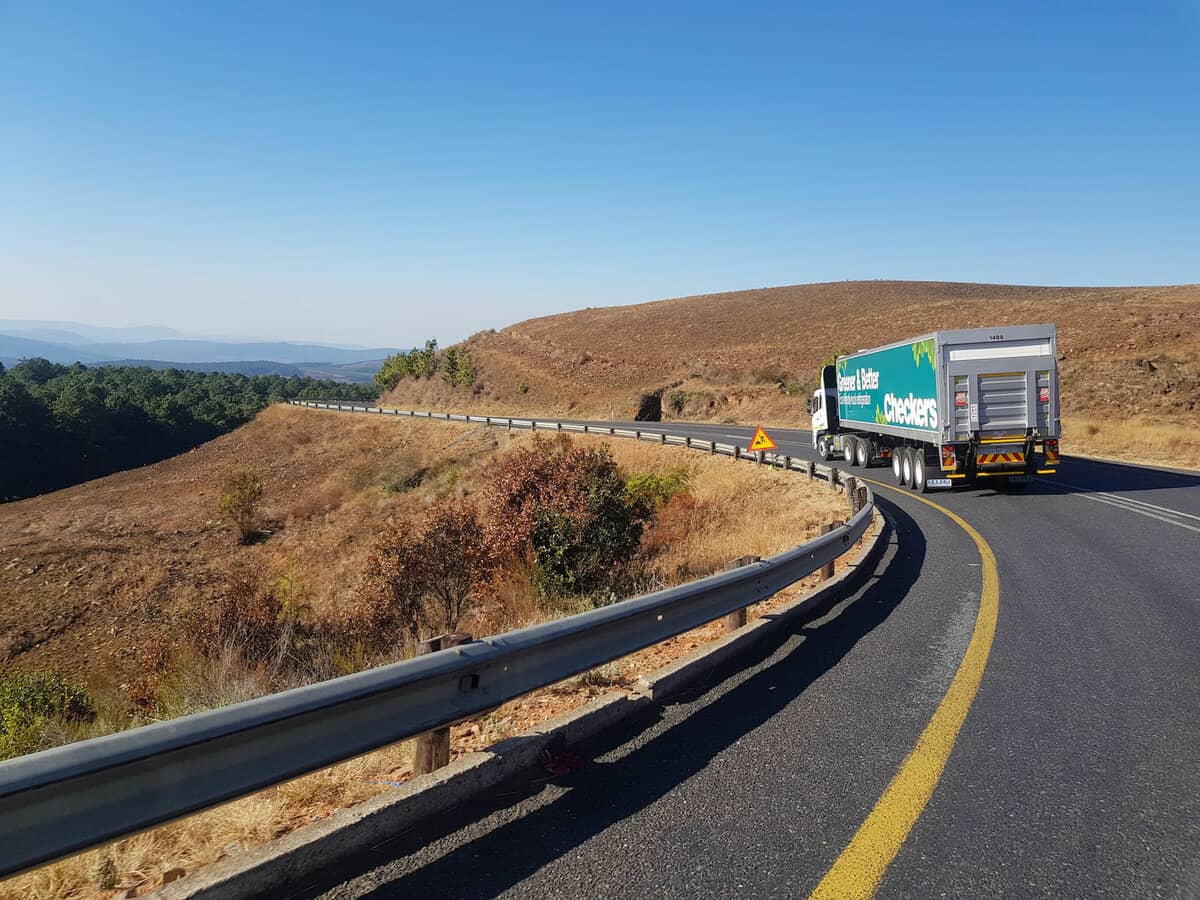
Commercial fleet insurance provides specialized coverage for businesses with multiple commercial vehicles. A comprehensive insurance policy will cover all of the vehicles in your fleet, along with your business itself and your drivers.
No matter what type of vehicles are in your fleet, it’s important to ensure you have enough coverage to protect against risks.
Get Your Free Quote Started

Commercial Fleet Insurance Coverage 101
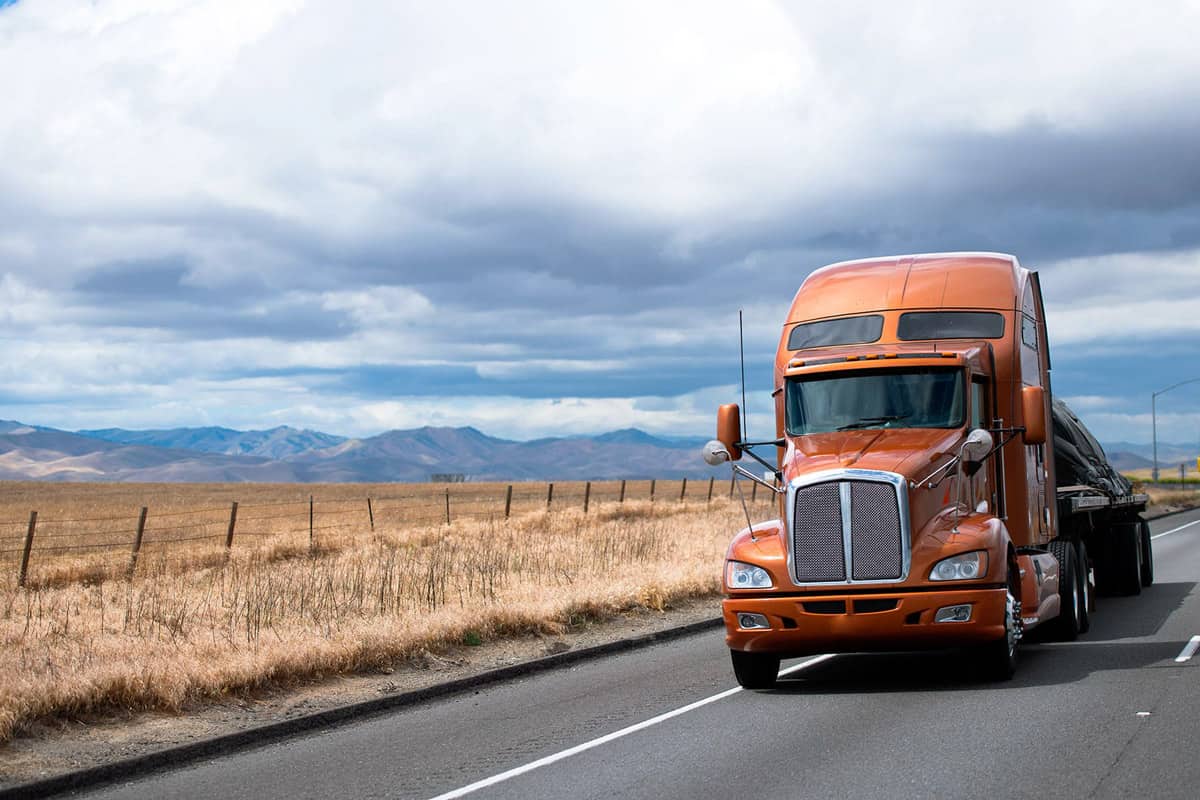
Commercial fleets require comprehensive coverage to protect against risk. Some of the most critical coverages for fleets include:
Commercial Auto Liability
Every vehicle in your fleet needs commercial auto liability, which state law requires and the FMCSA requires at federal minimums for interstate for-hire carriers. It pays for injuries and property damage your drivers cause to others. It’s different from general liability, a separate policy for non-driving claims such as an injury at your yard.
Bodily Injury
Bodily injury is the portion of your liability policy that covers medical care for injuries to third parties. Whether injuries are minor or severe, bodily injury will cover:
- Medical care
- Medical transportation
- Hospital stays
- Rehabilitation
This portion of a auto liability policy will also cover lost wages and pain and suffering. It can also pay for funeral expenses if the accident is the cause of someone’s death.
Property Damage
If a third party’s property is damaged during the accident, this policy will cover the cost of repairs or replacement. It will even cover the cost of replacing a vehicle if it is totaled during the accident.
Medical Payments
While not always required, medical payments coverage is a good policy to have and will give you peace of mind.
A medical payments policy will cover medical bills and expenses for drivers and passengers riding in the vehicle when the accident occurs. This coverage will apply regardless of who is at-fault for the accident.
Inland Marine Insurance
If your drivers carry tools or other equipment that is not affixed to your vehicles, inland marine insurance will be important. These items are often not included in a traditional commercial auto policy, and they can be costly to replace.
If your business relies on the tools and equipment you carry in your trucks, then inland marine insurance will be crucial for you.
Commercial Property
If you run your business out of a physical location, commercial property insurance is a must-have.
Commercial property insurance will protect your property in case of damage. For example, if a strong storm comes through and damages your building, commercial property insurance will cover the cost of repairs and any valuables that you may have lost in the incident.
Collision and Comprehensive
Collision and comprehensive coverage should be a part of your fleet’s coverage.
- Comprehensive will cover the cost of repairing or replacing your vehicles if they are damaged by a storm, theft, vandalism or other covered peril.
- Collision will cover physical damage to your vehicles if one of your drivers is responsible for the accident.
For commercial vehicles, collision and comprehensive coverage is crucial.
Uninsured/Underinsured Coverage
Unfortunately, many motorists on the road only carry the minimum required insurance. Some don’t have any insurance at all. With uninsured/underinsured coverage, you can rest assured that damage and injuries will be covered regardless of the other party’s coverage (or lack thereof).
Accidents can and do happen. If your driver is the victim of a hit-and-run or finds themselves in an accident with someone who doesn’t have enough or any insurance, uninsured/underinsured coverage will kick in and provide the protection you need.
Personal Injury Protection
Personal injury protection, or PIP, will cover lost wages and medical expenses for passengers injured in an accident. This coverage will kick in regardless of who was at-fault for the accident.
PIP offers more comprehensive coverage for injuries, which is why many commercial fleet owners purchase it. It can also cover:
- Occupational therapy
- Psychiatric care
- Childcare expenses
It will also include funeral expenses if the accident causes fatalities.
Other Coverages to Consider
Along with the coverages above, there are several others you should consider if you want to maximize the protection for your fleet. These coverages include:
Towing
When accidents cause significant damage to the point where the vehicle must be towed away, towing insurance will cover the cost.
Rental
If an accident damages a vehicle and it needs to be repaired, rental insurance will cover the cost of renting a replacement vehicle to keep your business running until it is repaired.
Accessories
If you have accessories installed in your vehicle, such as mileage meters or GPS navigational units, this coverage will provide added protection for your business. If these expensive items are damaged in an accident or through another covered peril, accessories insurance will cover the cost of repairs or replacement.
How Much Does Commercial Fleet Vehicle Insurance Cost?

It depends mostly on what’s in the fleet. Light service fleets of vans and pickups typically pay about $150 to $350 per vehicle per month. Trucking fleets running power units usually pay $750 to $2,500 or more per truck per month, or roughly $9,000 to $30,000+ per truck a year.
| Fleet Size | Lower-Cost Fleet ($750/Mo Per Truck) | Mid-Range Fleet ($1,500/Mo Per Truck) | Higher-Risk Fleet ($2,500+/Mo Per Truck) |
|---|---|---|---|
| 5 trucks | About $45,000 a year | About $90,000 a year | $150,000+ a year |
| 10 trucks | About $90,000 a year | About $180,000 a year | $300,000+ a year |
| 25 trucks | About $225,000 a year | About $450,000 a year | $750,000+ a year |
Illustrative ranges based on 2026 fleet insurance cost guides, not quotes. A $750 per-truck difference is small for one truck and a six-figure swing at 25.
What Sets Your Per-Truck Fleet Rate
- Claims frequency and severity. The biggest factor, and it follows you from renewal to renewal.
- Driver quality and turnover. MVRs and experience matter, and high turnover adds cost because new drivers are unproven.
- Vehicle class and weight. Heavier trucks cause more severe damage, which shows up in liability and physical damage pricing.
- Radius and mileage. Long-haul, unlimited-radius fleets cost more than regional or local fleets.
- Garaging location. Where the trucks are based affects pricing through litigation climate, traffic and theft.
- Operational controls. Written hiring standards, driver training, maintenance schedules and telematics earn real underwriting credit.
Check Your Cost Per Mile
Divide your annual premium by your fleet’s annual miles. One 2026 fleet cost guide put long-haul trucking fleets at about $0.09 per mile and local service fleets at about $0.12. Long-haul runs lower per mile because highway miles have fewer stop-and-go accident opportunities, even though the total premium is higher. If your number is well above the benchmark for your operation, bring it to your agent at renewal.
Owner-operators with one truck should see semi truck insurance cost instead.
How to Save on Fleet Insurance Costs
Depending on your business, you may find that insurance costs are high for your fleet. While it’s important not to compromise on your coverage, there are some things you can do to save on the cost of your insurance.
Implement a Safety Program
Some insurance companies will offer a discount for implementing a safety program. Maintaining an excellent safety record will also help keep your premiums as low as possible.
Look for areas of improvement for your drivers. Driver scoring and coaching can go a long way in ensuring your fleet drivers are safe when they’re out on the road.
Install Dash Cams
Equipping your fleet vehicles with dash cams can help identify risky driving behavior, such as distracted driving or tailgating. They also provide proof of what happened in case of an accident. If your driver is not at fault, the dash cam footage will show it. Not being found at-fault for an accident can help save on insurance premium costs.
Telematics
An electronic logging device, or ELD, will gather information about the vehicles in your fleet, and that information can help you save money on your premiums. It lets insurance companies see that your drivers operate their vehicles safely, and this will help reduce your overall premium costs.
Choosing A Fleet Insurance Company
Fleet appetite varies widely. Some insurers prefer local service fleets, others specialize in long-haul trucking, and a few write hard-to-place fleets with new ventures or weaker safety records. Look for an insurer that:
- Writes your type of operation and radius, not just commercial auto in general
- Lets you add and remove vehicles and drivers mid-term without rewriting the policy
- Credits safety programs, dash cams and telematics
- Has commercial claims adjusters who understand trucking
Compare fleet options in our commercial truck insurance companies directory, including our Progressive review. Fleets with drivers also need workers’ compensation.
Refuse fleets are rated differently from freight fleets. See garbage truck insurance for what drives their premiums.
Frequently Asked Questions
How Much Is Fleet Insurance Per Truck?
Trucking fleets typically pay about $750 to $2,500 or more per truck per month. Light service fleets of vans and pickups usually pay about $150 to $350 per vehicle.
How Many Vehicles Do You Need For Fleet Insurance?
Many insurers offer fleet policies starting at two to five vehicles, though the threshold varies by company.
Is Fleet Insurance Cheaper Than Insuring Trucks Separately?
Often, yes. One fleet policy is simpler to manage and can earn better pricing, especially for fleets with documented safety programs and a clean claims history.
What Has The Biggest Effect On Fleet Insurance Cost?
Claims history, followed by driver quality and turnover. Fleets that control hiring, training and maintenance usually pay less per truck over time.
Get Your Free Quote Started
